Friday, March 3, 2023

Chinese DSLR?

 I was curious, very curious, to know if there are any Chinese manufacturer of DSLRs.  I mean, I've only seen the big Japanese and German names out there for the past twenty years and not paid attention to anything else, until recently.  So, I looked up Google and guess what I found!

Yi Technology from China developed a mirrorless micro four-thirds camera--ok, it's not a DSLR but close enough.  There were quite a few reviews I've seen about this camera.  Some liked it and some didn't like it so much.  One thing I concluded from those reviews is that it's a cheap camera for the casual photographers.  The zoom lens that came with it is not great, having difficulties with focusing and lacks the sharpness in more expensive lenses.  You could however add any of the expensive lenses like the Leica to it and you'd get a good (not great) combo. 

I was interested in getting a copy to play with as it's so light and small but alas, there is nothing on Kijiji or Amazon.  It's strange because there is a ton of other, cheap Chinese (not necessarily mirrorless) cameras and action cameras on Amazon.  I don't know if anyone in Toronto has one or if they did, perhaps they threw in the eRecycling box already.  There hasn't been any reviews since 2016/2017.  It looks like this camera didn't go very far.  There was a hype about six or seven years ago because of its price but like a ghost, it disappeared mostly from the North American market.  I did spot a copy on Amazon India's website.  It didn't get great reviews there.  So, it came with a bang and left without telling anyone.

How to Clean the Lens Filter


How do you clean your camera lenses?  That was something I was worried about when I first bought a DSLR I believe back in 2007.  I was so worried about smudging it and dirt landing on it I went out to buy some lens cleaning kit.  The kit was pretty simple though--an air blower and a brush.  I didn't want to use any lens cleaning fluid for some reason.  In retrospect and after over 120K shots, I came to realize it wasn't all that important.

My 18-200mm always had a Hoya UV filter on so the lens was never exposed to the elements.  Sometimes though, specs of dust do creep in between the lens and the filter.  I'm not sure how but they do.  It's possible simply because I did have to remove the lens filter every now and then to clean it.

Cleaning the lens filter didn't require anything fancy.  I intially used the brush and if there is any dirt that seems to stick around, I ran the filters under water with a bit of soft soap.  I'd wet the filter with water first, then lather up the soap with water before applying it on the filter just as you would when washing your car.  I'd let the water run down the filter and it would remove all of the soap.  Soap is a bit abrasive but I never really had to clean it often so no scratches that I can see so far.  I'm sure microscopically, there are some scratches but it's really nothing.  I haven't seen anything on pictures I take.  I do the same soap cleaning method for my eyeglasses by the way.

If my lens needs to be cleaned though, I'll probably need to use lens cleaning fluid and a microfiber tissue.  There is no way I'd use soap on the lens itself.

I got my Hoya filter from Henry's before but you can get the same filter for cheaper now from Amazon:  https://amzn.to/41KDqPZ.  Don't get the cheap brands.  It makes a difference to the colours you capture.

Thursday, March 2, 2023

Hobby for the Retired

I asked ChatGPT what it thinks about photography as a hobbit for the retired.  I like its response.  I'm thinking to give my D7000 to my dad who owns a old SLR.  This might be a good thing to pick up again.

Anyways, ChatGPT answered it this way:

Photography can be an excellent hobby for retired individuals. Here are some reasons why:
  1. Creative Outlet: Photography provides a creative outlet for individuals, allowing them to express their creativity and capture beautiful images.
  2. Physical Activity: Photography can also be a physically active hobby. Retirees can explore new places and take photos while walking or hiking, which can help improve their health and wellbeing.
  3. Learning Opportunities: Photography also offers learning opportunities, such as mastering new camera techniques and editing software.
  4. Social Engagement: Photography can also be a social activity, allowing retirees to connect with other photographers and share their work with others.
  5. Relaxation: Photography can be a relaxing and meditative hobby, allowing retirees to focus on the beauty of their surroundings and reduce stress.
Overall, photography is a great hobby for retirees as it provides a combination of creative expression, physical activity, learning opportunities, social engagement, and relaxation.

Some retirees tend to be more senile.  I think a hobby that gets you out and that make you think is very healthy for your physical and mental states.  There is nothing worse than lying down and watching TV or doing nothing the whole day for years on end.

When I retire, I want to travel more with my DSLR.  It'll be time for building more adventures that I find hard to find time for now.  That's for sure.

Tuesday, February 28, 2023

Do people still use DSLRs?

I've been perplexed in some ways recently about something.  Is there a current shift away from DSLR into phone cameras?  We know how easy it is now to pull out a phone from your pocket and capture that moment appearing in front of you.  You do that often enough, and you will build more and more reliance on your phone for everything you do everyday:  web surfing to read this article, phone calls with your friends and family, playing games all day long, and taking the occasional pictures.  Sure, it may not be as good as a modern DSLR but heck some phones are darn good these days, and the best camera is the one you have with you!

Despite the convenience of the phone, I still prefer to carry my DSLR when I'm on a hike or when I travel somewhere.  The speed of the DSLR, the ability to quickly zoom in and out with a real optical lens (vs. digital zooming), and my familiarity with my DSLR are reasons why I like to carry 2 kg of hardware with me.  I have to admit however that once, I was hiking up Grouse Grind in Vancouver, I was carrying a D300 with the 18-200mm and you can imagine how heavy it felt after half-way up the mountain!  Well, I wasn't in too good of a shape back then in around 2013 I believe.


More and more though, I find it harder to sell an older DSLR.  A Nikon D7000 is still a very capable camera.  My copy is 13 years old now but is still churning out great photos and it's highly dependable.  How do you convince someone that they should get a DSLR?  A phone camera is all most people need these days.  At parties, I see people whipping out their phones.  I don't see people branding their DSLRs anymore.  So, a D7000 is having a hard time sitting on the shelf not getting picked up, unless I guess it's free for the taking.  A used D7000 these days should still bring you $300, but even at that price, I see ads lingering on Kijiji for weeks on end.  What's going on, I'm thinking?  Have consumers really abandoned the DSLRs and are the DSLRs now only of the professional photographers' domain?  I'll have a firm answer in a month or so when I'll see how many of the same D7000 ads still remain on Kijiji.

Sunday, February 26, 2023

ChatGPT: Be Careful with Product Comparisons!!


Well, I had to ask ChatGPT that it thinks about buying a Nikon D7200 vs. a D7500.  It still has more to learn some facts.  It gave some puzzling answers.  FYI, the reason I went with a D7200 instead of the D7500 is for the dual memory card slot.  I didn't want to lose that feature of the D7000.  I also didn't care much about the articulating screen and thought it might break easily.

Question:  Why should I buy a Nikon D7200 instead of a Nikon D7500?

ChatGPT's answer:
The choice between the Nikon D7200 and D7500 depends on your individual needs and preferences, as both cameras have their own strengths and weaknesses. Here are some factors to consider when deciding between the two:
  1. Sensor: The D7500 has a newer and slightly higher resolution 20.9-megapixel sensor compared to the 24.2-megapixel sensor on the D7200. However, the D7200's sensor has been praised for its excellent dynamic range and low-light performance.
  2. Autofocus system: The D7500 has a more advanced autofocus system compared to the D7200, with 51 autofocus points compared to the D7200's 51-point system. Additionally, the D7500's autofocus system is capable of tracking subjects more effectively in fast-paced action scenes.
  3. Video capabilities: The D7500 has some advantages over the D7200 in video capabilities, with 4K UHD video recording and the ability to shoot slow-motion footage at 1080p.
  4. Price: The D7200 is typically less expensive than the D7500, which may make it a more attractive option for those on a budget.
  5. Lens compatibility: Both cameras are compatible with Nikon's F-mount lenses, so you should be able to use any existing lenses you may have with either camera.

Ultimately, the decision between the Nikon D7200 and D7500 depends on your individual needs and preferences. If you prioritize video capabilities and autofocus performance, the D7500 may be the better choice. However, if you prioritize image quality and low-light performance, the D7200 may be the better choice.

ChatGPT: Remote Smoke Smell from Camera

Funny.  I started playing around with ChatGPT.  I was curious to know what it would say about cleaning a camera of the smell of tar and I was surprised what it came up with!  See it for yourself.  I asked it, "How do you clean a camera that has the smell of smoke tar?" and this was the answer I got:

Cleaning a camera that has the smell of smoke tar can be a challenging task. Here are some steps you can take to try and remove the smell:
  1. Remove the battery and memory card from the camera. This will prevent any damage to the camera's electronics and data.
  2. Use a soft, dry cloth to gently wipe down the exterior of the camera. Pay special attention to areas where smoke tar may have accumulated, such as around the camera's buttons and dials.
  3. If the camera's lens has a removable lens hood or filter, remove it and clean it separately with a microfiber cloth. If the lens itself has smoke tar on it, use a lens cleaning solution and a lens cleaning cloth to gently remove it. Be sure to follow the manufacturer's instructions for the cleaning solution and cloth.
  4. Place the camera and any removable parts (such as the lens hood or filter) in a sealed container with odor-absorbing materials such as activated charcoal or baking soda. Leave the camera in the container for several hours or overnight.
  5. After removing the camera from the container, use a soft brush to gently sweep away any remaining odor-absorbing materials from the camera's surface.
  6. If the smell persists, you may need to seek professional cleaning services or consult with the camera manufacturer for advice.
It's important to be gentle when cleaning a camera to avoid damaging its delicate components. Additionally, you should avoid using any harsh chemicals or cleaning solutions that could further damage the camera or affect its performance.

This is so surprising to me as ChatGPT understands context.  This is not like washing tar off a wall.  This is for a camera so it knows about the battery and memory card and how to treat the camera lens appropriately. 

Here's another answer it gave me with the following question:  "how to remove the smell of tar from a camera".

If you're trying to remove the smell of tar from a camera, there are a few things you can try:
  1. Wipe the camera down with a soft, dry cloth: Start by wiping down the camera with a soft, dry cloth to remove any loose tar or debris that may be on the camera.
  2. Use a cleaning solution: Mix equal parts water and vinegar or rubbing alcohol and use this solution to clean the camera with a soft cloth. Be sure to wring the cloth out well so that it is just damp and not soaking wet. This will help remove any remaining tar residue and neutralize the odor.
  3. Baking soda: Another option is to create a paste of baking soda and water and use it to scrub the camera. This will help absorb any remaining odors and leave the camera smelling fresh.
  4. Let it air out: Once you've cleaned the camera, let it air out in a well-ventilated area for several hours. This will help any remaining odors dissipate.
It's important to note that if the tar has seeped into the internal components of the camera, it may be difficult or impossible to remove the odor completely. In this case, you may need to take the camera to a professional for repair or replacement.

Amazing! 

HDR vs. D-Lighting vs. Normal

Images from the Nikon D7200 shot with three different modes:

1) HDR on high

2) D-Lighting on high

3) Normal without HDR or D-Lighting


There isn't much of a difference between Normal and D-Lighting in this case.  The photo in normal mode is as close to what I see with the naked eyes.  The HDR photo brings out more details of the dark areas but it doesn't look natural, does it?  I would use it outdoor when I'm encountering high contrast scenes.  If I had the D7200 when I was in Arizona, I could imagine many of my shots could have turned out way better.  My phone camera was able to do auto-HDR so some photos from it turned out better than my DSLR's.


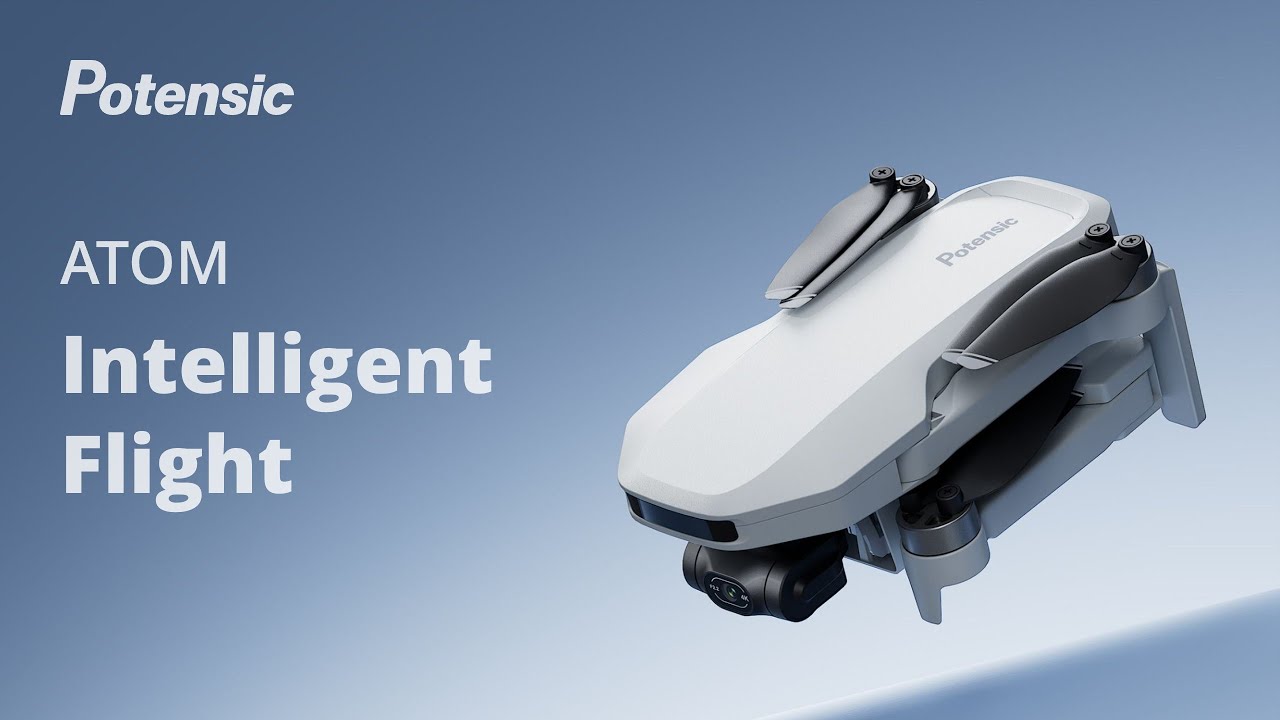
Potensic Atom Follow-Me Mode

The Potensic Atom's Follow-Me mode is one of its "intelligent flight" modes.  It's a really nifty feature that uses visual...